
Care Farm Friday
We see lives change every day. Happy Friday and thanks for helping people Learn+Grow+Heal at Simple Sparrow Care Farm.
This week’s story is contributed by one of Simple Sparrow’s partnering therapists, Charlotte Crary. Her words capture the heart and soul of our Trauma-Informed Care Farm model and how it’s making a difference in the lives of precious little ones every day. You might find yourself shedding a few tears, just like we did. Keep some tissues handy and read on…
“In the wake of witnessing a horrific tragedy, the children were immediately whisked away to an unknown home to live with strangers; having all felt-safety, comfort, and trust destroyed at the sound of the final gunshot that took their parent’s lives. Left shattered and heartbroken, hands still covering their ears and clinging tightly to one another, they peered through the back window of the car with tears streaming down their faces as everything and everyone they had ever known drifted further and further into the horizon. Through the eyes of innocence, they ask the driver, “What happens next?” With a shaky voice, choking back the tears the driver whispers, “I don’t know.” The children turn towards the front, bury their heads into each other’s shoulders, sobbing continuously until they fell asleep.
Waking up in a new home, with new caregivers, new surroundings, and new siblings is jarring to say the least. As the days pass by, the children begin to trust their new caregivers and acclimate to their new home, but the fear of getting too close to anyone permeates their world. They start to care for their new family, then push them away. They start to become comfortable at their new school with new teachers and peers, but the memories of what happened catapult their minds and bodies into a state of dysregulation that continuously disrupts their new life. As the insecurities and emotional distress of their past deepens, confusion and self-doubt grow, making it near impossible to create new connections.
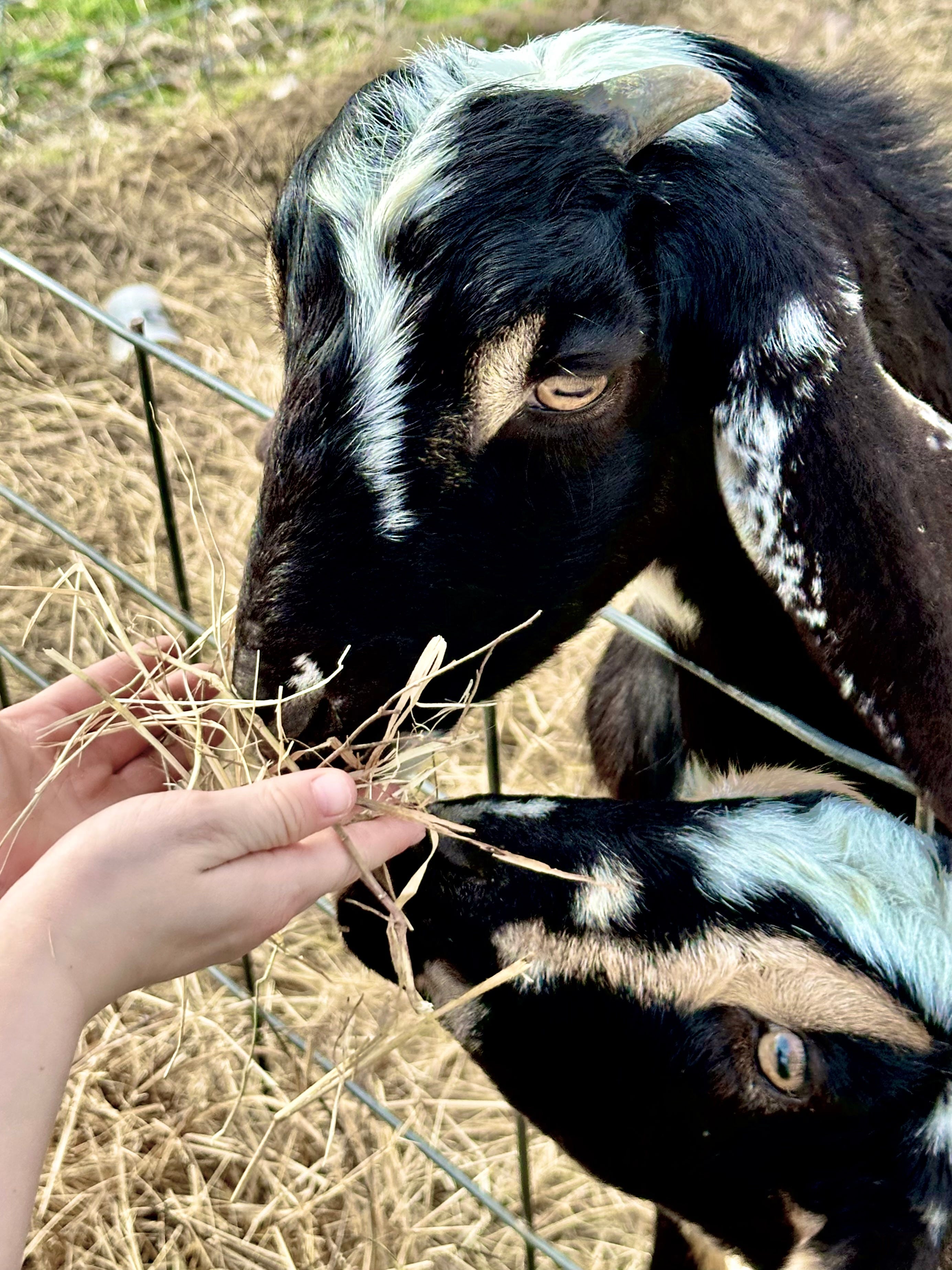
When they arrive at Simple Sparrow Care Farm, their nervous energy explodes out of every limb as they run, jump, and climb over everything they can find, expressing their struggle to make sense of the world around them. They climb up into a tree and lock eyes with Jacopo, the llama. “Can we see the animals today?” they ask excitedly. Climbing up and over the rainbow ladder, they head toward the baby goats and immediately start to slow down. For the first time in months, they have calmed their bodies on their own. In a small quiet voice, they ask, “How do we pet the goats again?” “Oh wait,” the child says to their sibling, “We have to pet them gently under their chin. We don’t want to teach them to headbutt each other.” “Oh, that’s right,” the sibling replies.
As we walked to the hay bales, both children grabbed a handful of hay and reached peacefully out to the baby goats. The anxious energy that had been driving their every move seemed to vanish as they held their hands out and allowed the baby goats to eat right out of their hands with no fear. “The goats trust us,” the child said as they grabbed another handful. “Where are their parents?” the child asked. “I’m not sure,” I replied. “My parents killed each other,” said the child. “I don’t know why,” the child continued, “I wish I did but I’m so glad God gave me my new mom to take care of me.” With that said, the children gave the baby goats one last pet under the chin, leaned in and whispered in their long floppy ears, “Don’t worry, God will take care of you because God took care of us too.”
When children experience trauma, their cortisol levels immediately increase. Oftentimes these levels will remain heightened for a prolonged period of time. The behaviors we see in children with heightened cortisol levels include physical and verbal aggression, inability to focus, struggles to follow directions, and increased energy levels. In a typical clinical setting, calming tools can be used to help children regulate their emotions and lower their cortisol levels but oftentimes these settings have limitations that impede this process. Being outside and interacting with animals has been shown to reduce cortisol levels which allows the children to experience a calm body and mind that they struggle to experience in other settings. When their anxiety is reduced, they are able to more fully engage in the therapeutic process and work through their trauma. Being able to walk a goat or feed the chickens, having therapy sessions swinging in a hammock or sitting on a branch in a climbing tree allows the children to ground themselves with nature, connect to God, and experience peace. As a therapist, the countless options to process trauma in a more natural setting allows me to assist clients in diving deeper into their stories while helping them stay grounded and regulated. An office setting, no matter how fun and playful, cannot provide the same peace and calm that nature can provide. When every attachment a child has in their lives has been broken or is breached in some way, their ability to connect with the animals allows them to build trust again with a living being that is not judgmental or critical. After experiencing the therapeutic benefits of animals-assisted therapy along with my clients over the last two years, I hope to be able to provide this therapeutic setting at Simple Sparrow Care Farm for children and families who have experienced trauma for many years to come.”
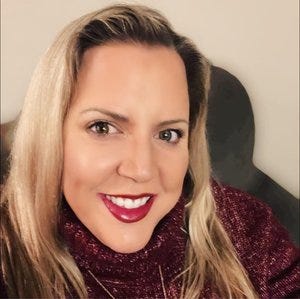
Charlotte is a Certified Clinical Trauma Professional, a Certified Autism Spectrum Disorder Clinical Specialist, a Certified Addiction Specialist, and a Trust-Based Relational Intervention (TBRI) practitioner specializing in the treatment of children, adolescents, and families. Charlotte has over ten years of experience developing trauma-informed clinical programs for treatment centers and non-profit organizations across the country. Her approach to treatment focuses on the family as a whole and integrates sensory play, art, music, and play to build trust and teach mindfulness. Charlotte is currently finishing her trauma-focused dissertation in pursuit of her Doctorate in Community Care and Counseling with a focus on Trauma. She holds a Master of Education in School Counseling, an Education Specialist (Ed.S) degree in Community Care and Counseling with a focus on trauma, is certified in Trauma-Focused Cognitive Behavior Therapy (TF-CBT), and is a National Certified Counselor (NCC).
Charlotte lives in Georgetown, TX with her husband and two children. Her son has Level 3 Autism with limited communication. Charlotte specializes in integrating trauma-informed care with special needs treatment modalities to help families like hers navigate the resources and services available to them. Charlotte offers parent sessions and advocacy services in addition to trauma-informed counseling to families with special needs.
Click the button below to learn more about Charlotte and our other partnering professionals. Simple Sparrow’s partnering professionals are trained in our Trauma-informed Care Farm (TICF) model.
Simple Sparrow is a 501(c)(3) non-profit, trauma-informed care farm.
When we teach people how to care for land, gardens, and animals, they are empowered to better care for themselves and others.
A care farm utilizes farm nature for educational, therapeutic, and/or vocational outcomes.
Potato farms grow potatoes; care farms grow care. —Jamie Tanner, Founder
Scope of Work
Simple Sparrow Care Farm serves all ages, backgrounds, and abilities. However, our most notable work is our service to vulnerable and at-risk individuals including survivors of human trafficking, foster/adoption communities, and people suffering from depression or anxiety.
Ways you can support the work of Simple Sparrow:
If our work resonated with you today, please consider making a donation to support Simple Sparrow. Your generosity helps us continue our mission and provide much needed programs and services in our community. Every contribution, no matter the size, makes a significant difference and brings us one step closer to achieving our goals. You can make an impact by giving a one-time gift of any amount or become a monthly donor for as little as $5 per month.
Purchase items from our Amazon Wishlist, including snacks for clients as part of our trauma-informed approach.
If you are local and would like to become a volunteer or learn more about Simple Sparrow, contact us for a tour by sending an email to office@simplesparrow.farm or complete our online volunteer application by visiting our website.